
Measles is back. Can behavioural science help?


The re-emergence of a preventable crisis
Measles cases are surging again, decades after it was declared to have been eliminated throughout the US and UK.
The condition is highly contagious, and one person can infect 15 others. In America, cases are at a 33-year high.¹ The WHO is targeting a vaccination rate of 95% – the number required to achieve herd immunity – but in Manchester, UK, it’s 75%, and this falls to 73% in Liverpool, UK, where a child died in July 2025 after falling ill with the virus.²
The rise in measles rates has been attributed to a fall in take-up of the MMR (measles, mumps and rubella) vaccine, after false claims that it causes autism.³ Further anti-vaccine sentiment has been seen in the wake of the COVID-19 pandemic, with vaccine fatigue, complacency and the appointment of prominent anti-vaxxer Robert Kennedy Jr as US Health Secretary all cited as factors.⁴
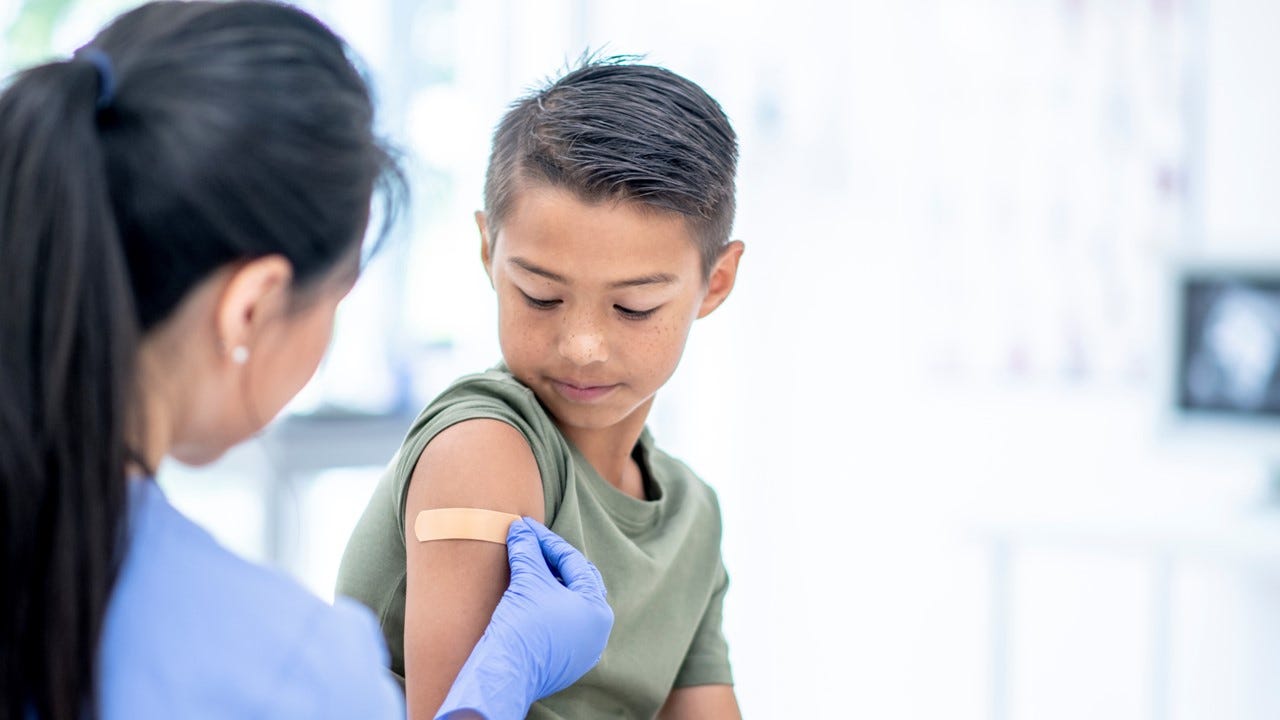
By refusing vaccines such as MMR, people are making a behavioural choice that is not rooted in scientific facts but emotion. Environmental, psychological and social factors will influence an individual to feel and act in a certain way and form barriers to changing their behaviour that cannot be overcome with facts alone. The issue may be one of trust – of people, of information sources, of channels – and to have any chance of building trust and confidence, we need to work out why these are absent and what might prevent the situation from changing.
In order to ease the burden on healthcare systems and reduce mortality, we need to understand the drivers behind current beliefs and identify the specific barriers to change. Behavioural science can provide us with the tools to achieve that.
Measles and the MMR uptake challenge
Many parents who avoid having their children receive the MMR vaccine are not outright ‘anti-vaxxers’. Instead, they are unsure, overwhelmed or influenced by misinformation. Qualitative research methods (such as case studies, unstructured interviews and open surveys)⁵ can be used to identify the key determinants that influence parents who refuse vaccines. These results are coded to the Capability, Opportunity, Motivation – Behaviour (COM-B) model to reveal common themes such as family and social norms, availability and ease of access.
Based on this information, we can segment audiences and identify their barriers to change. This allows us to map the correct intervention to break each barrier.
One such segment might be ‘The Anxious Parent’. This segment is concerned that vaccines might harm their child, and their barriers to behaviour change are linked to fear and lack of trust. We might therefore begin by destabilising that current belief through credible, empathetic storytelling from other parents and repeated, emotionally resonant messaging from healthcare professionals.
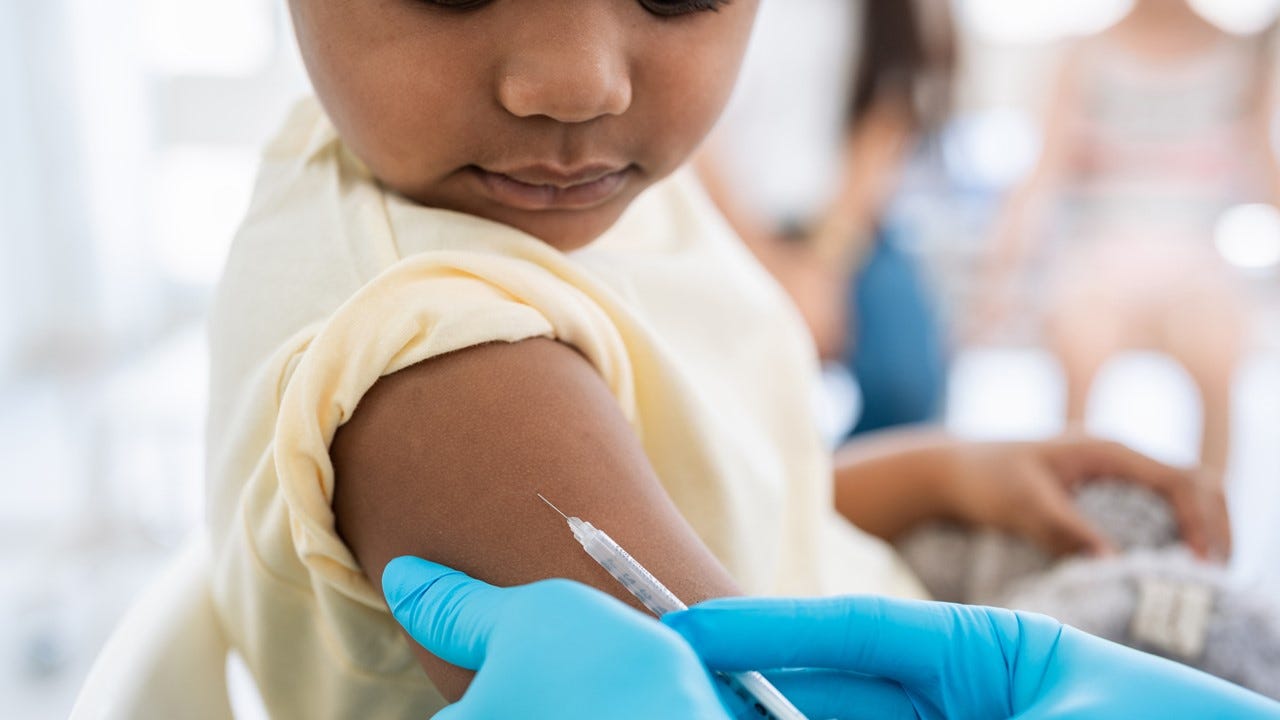
‘The Overwhelmed Carer’, meanwhile, doesn’t have time to think about vaccines. By focusing on complacency, system constraints and a lack of motivation as their barriers to change, we can begin to look at ways we can shift their position. Timely reminders and flexible appointment options could reduce friction, while subtle behavioural nudges (such as communications in the patient’s preferred language and multiple-method reminder options) could help position vaccination as the optimal default choice.
The most challenging subset could be ‘The Sceptical Individual’. They’re not convinced that vaccines are necessary, and this belief is founded upon misinformation and entrenched habits. By using techniques such as ‘pre-bunking’ (pre-emptively debunking – preparing audiences to recognise and resist disinformation, as demonstrated in UNESCO’s #ThinkBeforeSharing campaign)⁶ and reinforcing the broader benefits of vaccinations – such as protecting family and future generations – we can counteract harmful misinformation.
The following table provides a snapshot of the targeted interventions that could be used to break the behaviour change barriers of each audience segment.
A wake-up call
The measles outbreak reminds us that science alone isn’t enough. We need to go deeper than data and logic to navigate when navigating deeply personal and long-held drivers. To protect public health, we must also understand – and influence – human behaviour.
At Alpharmaxim, we believe that the application of behavioural science is a necessity. By combining scientific rigour with empathetic communication, we can help healthcare organisations overcome vaccine hesitancy and build a healthier, more resilient society.
If you’re interested in learning more about how behavioural science can transform your communications, we’d love to talk. Contact shelley.will@alpharmaxim.com to learn more.
References
1. Garcia de Jesús E. U.S. measles outbreaks may end a hard-won victory over the virus. 22 July 2025. https://www.sciencenews.org/article/measles-outbreak-virus-victory-vaccines. Accessed 1 August 2025; 2. BBC. Child dies at Alder Hey after contracting measles. 13 July 2025. https://www.bbc.co.uk/news/articles/c8j1k3k44e2o. Accessed 1 August 2025; 3. BBC. Why are measles cases rising in the UK? 16 July 2025. https://www.bbc.co.uk/news/articles/c3w42xz34zjo. Accessed 1 August 2025; 4. BBC. Rise of vaccine distrust - why more of us are questioning jabs. 16 January 2025. https://www.bbc.co.uk/news/articles/c1jgrlxx37do. Accessed 1 August 2025; 5. UK Research and Innovation. What is social science? Qualitative research. 31 March 2022. https://www.ukri.org/who-we-are/esrc/what-is-social-science/qualitative-research/. Accessed 3 September 2025; 6. Basol M, Roozenbeek J, Berriche M, et al. Towards psychological herd immunity: Cross-cultural evidence for two prebunking interventions against COVID-19 misinformation. Big Data & Society 2021;8(1):20539517211013868